


I recently re-read an article from several years ago entitled: “Different for God’s Greater Glory: Benefits of and Barriers to Embracing Ethnic and Generational Diversity in Mission Leadership.” The authors point us to the necessity of seeking to intentionally “work together with the universal church.” This means that we as workers, called to reach the unreached, must diversify the voices speaking into our lives and participating in strategy and leadership discussions and decisions.
But why? Why should I spend the effort to diversify the voices involved when it already takes so much time to understand one another from the same cultural context?
One compelling reason given: “By having leaders with a broader range of ages and ethnicities guiding the movement, the leadership team can “see” better. Diversity gives the leadership team a wider base of experiences, as well as varied cultural and generational perspectives to draw from when making decisions or crafting ministry strategy in a given area.” That statement, though it takes time, effort, and humility, resonates with our hearts: “The leadership team can “see” better”.
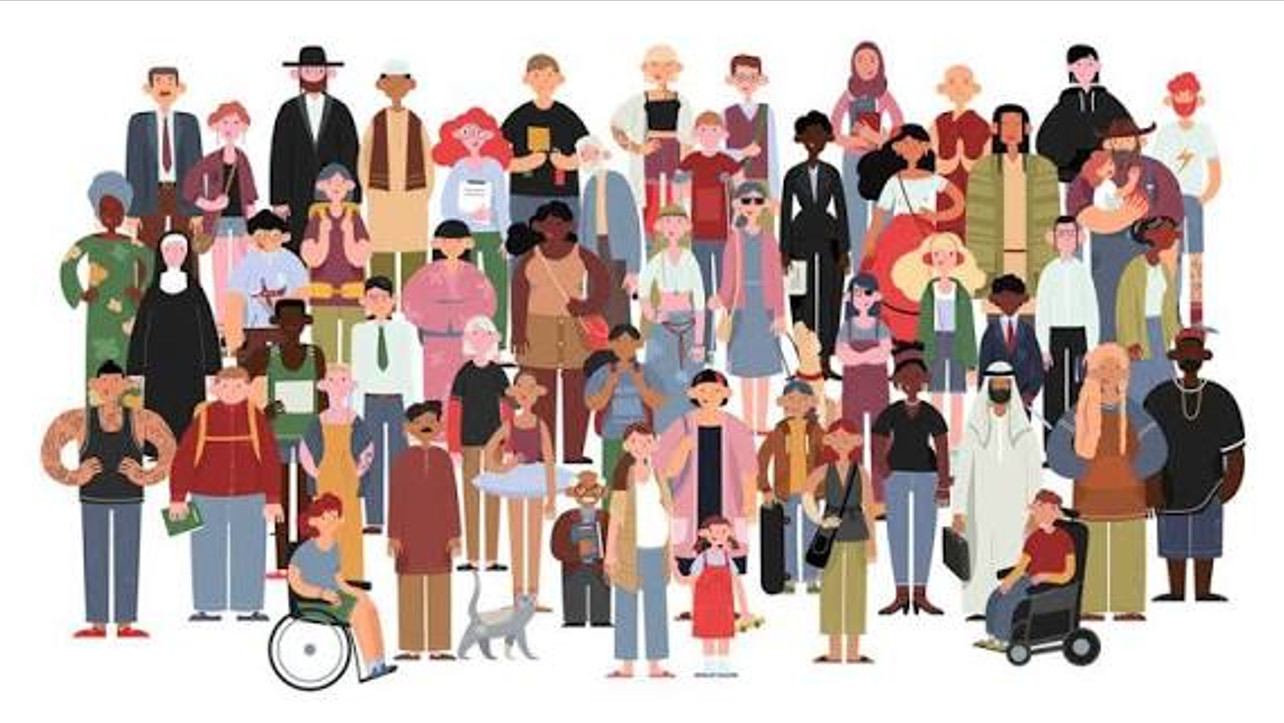
Working as a team with diverse voices strengthens the unity that we are to have as the body of Christ. Working together demonstrates our need for others with different gifts, cultural insights, and experiences.
When we look at the world, we see it with our own cultural lens and easily “miss” others and what they want to say to us and the team. Their own cultural & people group “glasses” provide other ways to see a situation or strategy that we might not have thought of.
During a visit to one of our teams in Asia, our global board members participated in a tour of the ministry centre where our team served. When we debriefed the visit afterwards, most of the board members commented on the ministry fruit and the service given to the larger community. However, one board member from another culture commented on how pleasantly surprised he was to see so many local workers from that culture involved in the work. No one else “saw” that, but his insight launched a discussion on how to invest, equip, and release others into the ministry.
One way we seek other voices would be to sit down with a younger leader or a leader from a culture that is significantly different from your own. Then take a recent ministry issue (not breaking confidence) and ask them how they would have approached or addressed the situation.
A second way would be to ask a ministry colleague from another cultural background to read and talk with you through the book, The Culture Map, by Erin Meyer. The goal would be to understand in a small way the benefit of insights from cultures different from your own.
Filed under: Community, Crossing cultures, Listening, Teams | 4 Comments »




 Something struck me as I was reading through that list again recently. All six are linked by one essential heart attitude or motivation. Humility.
