• Our hope-filled future is bound up in sharing the story of Jesus, in discipling others, in bringing those disciples together into communities of believers, and in developing and releasing those believers to create other communities... till Jesus the King comes again!

Why plans are helpful, why they are not

Planning usually brings out the best and the worst in people.  Some of us enjoy planning because our natural bent is more towards organizing material and our time.  Others of us see planning as a chore, busy work that doesn’t seem to provide any real help to us.  In many ways, both of these responses represent a misunderstanding of planning outcomes.Business people planing

Plans are helpful when they focus our energies on those priorities God has laid on our hearts.  Putting together a plan should facilitate us being able to say ‘no’ to a certain number of activities that will detour us from our main focus.  Planning brings focus in a context that is flexible enough for us to work out that focus in a number of different ways.

Plans are not helpful when they fill our time with loads of secondary tasks.  Some plans I have seen are pages and pages long.  This can give the impression of a strong and solid plan.  However, most often, the heart of the plan is lost in the flurry of tasks that most have difficulty accomplishing because there are simply too many tasks.  All these tasks may keep us busy, but not fruitful.

Chris (WT Global) has put together some helpful tools for writing plans.  In one of his presentations, he wrote this: “The old adage of “first things first” is quite misleading.  There is a big difference between choosing what task to do first and knowing what are the most important tasks.”

As I wrote in the post the other day, this is why we need God and a strong community around us.  Through prayer, study and interaction with other believers we can have the insight we need to “know what are the most important tasks”.


Global QuickVIEW once again

I was reading again in Globalizing Theology: Belief and practice in an era of World Christianity and I recognized a number of insights which confirmed much of what the WT working group on global trends had discovered.

One of the chapters in this book cites three areas where globalization will continue to have an impact and the opportunities and challenges these present to the church:

  • Because of globalization there is a reason for Christian mission to focus more on promoting holistic transformation.  Local theologizing must address issues of physical poverty along with spiritual poverty.”
  • As urbanization and globalization come together in the megacities of the world, they present incredible opportunities but also tough challenges for the church.”
  • In a globalizing world, we must chart a course through postmodernism with epistemological humility and confidence in the gospel, recognizing the social construction of our own worldviews in a world filled with enormous diversity.”

Granted that third impact is a “mouth full”, but the author seems to be stressing the necessity of having a holistic approach to mission, open eyes to the opportunities and challenges of urban migration, and a firm hold on the truth of Gospel all the while recognizing how our own cultural worldview influences how we ‘work out’ our Christian life.

There are no easy solutions or approaches to the cultural and global shifts occurring around us, but we must prayerfully continue to seek to discern how we will change and respond.  The Global QuickVIEW and Solution Snapshots documents serve as our first stepping stone towards such a change in our approach and work.

Side Roads

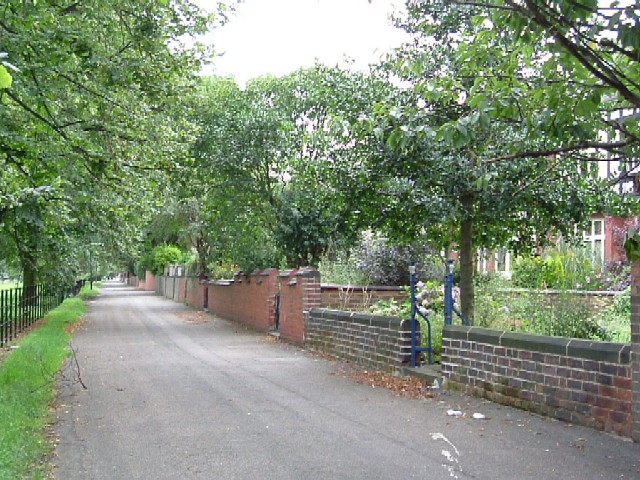
Taking the ‘autoroute’ (interstate motorways in France) is quite an expensive proposition given the tolls.  So when we take a trip, we will often take non toll roads to get to our destination.  This is always a fun way to explore the countryside.  However, sometimes despite the best efforts of our trusty map or even a GPS, we find ourselves on a road that doesn’t appear anywhere on the map, or at least the road as it is marked.  Eventually, we find ourselves back on the ‘right road’.  The ‘side road’ or detour doesn’t frustrate us because we know the ultimate destination.  The ‘side road’ can actually lead us to something we might otherwise not have seen.

Fluid planning works in a similar way.  Plans are ‘maps’ showing us where we want to go.  They are not concrete structures incapable of being changed.  The Spirit may lead us to take a ‘side road’ and we need to have the wisdom and discernment to see what He might be showing us as we search to find our way back to the main road.  Perhaps it is a new ministry opportunity we need to consider.  Perhaps it is a divine appointment to bring the message of Christ to someone we might not have met otherwise.  Perhaps it is a way of reconfirming our current focus and priority.

Knowing where we are going serves as ‘rails’ for our life and ministry, but that does not keep us from exploring ‘side roads’ by the Spirit’s direction.  As my friend Chris put it: “A plan is a map for a journey into the future.  It’s essential that I begin that journey knowing how to tell that I have arrived at the future I want.  Sometimes I will arrive early, sometimes late.  But, I can’t know if I’m there yet if I don’t know what “there” looks like.”

This is why the community is important as our brothers and sisters journey with us, and can help us as we together discern how God wants us to serve Him on the road that we are on.