• Our hope-filled future is bound up in sharing the story of Jesus, in discipling others, in bringing those disciples together into communities of believers, and in developing and releasing those believers to create other communities... till Jesus the King comes again!

Worship is all of life

In many evangelical circles, worship is often associated with music.  Go to your local church, house church or small group and you’ll spend the first part of community time in “worship” which is composed for the most part of a series of songs sung together.  After that, you’ll move on to a study of the Word, sharing the Lord’s Supper or other elements of community. worship
Some people criticize the worship=music formula by saying that “worship is all of life”.  What I think they mean is that in all that we do, our desire must be to turn all the praise back to God (Colossians 3:17).  What I find interesting is that the worship of this group is as limited, as incomplete as those who include only music in their worship.

Now I am definitely not against music as a means of worship.  The Scriptures are full of references to this effect.  I believe that most of us would also heartily agree that all that we do in life should give praise back to God.  As our Creator God we “live, move and exist” in Him.  However, what does worship mean?  What does it include?

Worship is the heart response to discovering more and more of who God is and is expressed in a multitude of ways.

And they came into the house and saw the Child with Mary His mother; and they fell down and worshiped Him; and opening their treasures they presented to Him gifts of gold and frankincense and myrrh.”  (Matthew 2:11)

And those who were in the boat worshiped Him, saying, “You are certainly God’s Son!””  (Matthew 14.33)

  • Worship may be expressed by the giving away of what we treasure to be used by God.
  • Worship may be expressed in words which declare who He is.
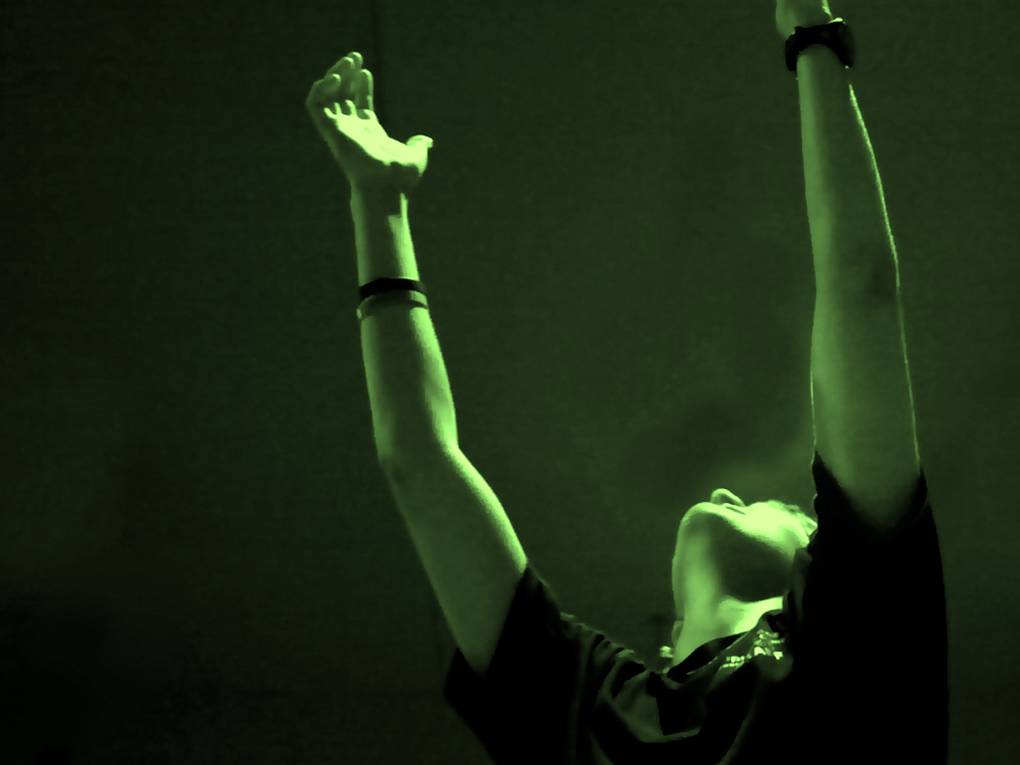
  • Worship may be expressed in the physical posture we choose to take.
  • Worship may be expressed as we make application of God’s Word to our daily lives after hearing and engaging others in the study of that Word.
  • Worship may be expressed by talking with God: sharing our hearts with Him and lifting Him up as the source of our life.

Come let us worship.

The “Our Father”

I grew up calling it: “The Lord’s Prayer”.  However, in French it is more often referred to as “The Our Father”.   I like that title because it puts the focus on where it should be in prayer, on God.our-father-in-heaven-matt-6

It seems only natural that out of the overflow of the Gospel would surge the desire to spend time with God our Father who has redeemed us by the work of Christ and applies forgiveness and righteousness to our hearts by the work of His Spirit.  It seems only natural that we would long to talk with Him, think about Him, and seek to discover how to make everything revolve around Him.

The reality is that often we are very weak when it comes to engaging God our Father in prayer.  A.W. Tozer wrote: “What comes into our minds when we think about God is the most important thing about us.”  The trouble is that what often comes into our minds when we think about God is us, and what we need from Him.  Maybe that is not your problem, but the largest segment of my prayer time often seems to be my prayer requests, what it is I am asking for from God.

Prayer is about centring ourselves anew on God.  It’s about basking in what it means to know God as “our Father” (Matthew 6) in its “breadth and length and height and depth”.

I’m trying to figure out more and more what that looks like as I talk with Him.  If nothing else, I certainly need to slow down and consider what it means that God is my Father and what expression of praise, of worship should spring from my heart as a result.


Passion for God is One

Knowing that fundamentally the church is the community of all those God has brought into His family, His body, then how do we describe what the church does, in other words, what are its functions, markers or expressions.

I think we would be hard pressed to not say that worship is a central expression or marker of the community of believers.  John Piper writes: “Missions is not the ultimate goal of the church.  Worship is.  Missions exists because worship doesn’t.  Worship is ultimate, not missions, because God is ultimate, not man.  When this age is over, and the countless millions of the redeemed fall on their faces before the throne of God, missions will be no more.  It is a temporary necessity.   But worship abides forever.”  

When the community gathers, passion for God must be a central expression of that gathering.  Worship, then, cannot be confined to just one part or one “activity” of the community; it is to infuse the life of the gathered community.  But, passion for God is meant to also inflame our daily lives as the community scattered, for “whatever you do, in word or deed, do everything in the name of the Lord Jesus Christ, giving thanks to God the Father through him.” (Colossians 3:17)

So, how then does the community work out this central expression, this critical function?  Through allowing grateful hearts, passionate hearts to find substantive outward expression.  Let me try to give an example.  People will often cite ‘singing’ as a key element of worship.  Certainly, singing can be a means of worship.  But if the ‘form’ is mistaken for the substance, then singing becomes an activity in the program, rather than a true expression of grateful hearts, passionate for the God they love.

This is certainly not an easy conversation, but remember that we are looking at “what we mean by “church” so that it provides a common base for all from which to work and which allows the functions of the church to take appropriate cultural forms where the church is established.

Savoring the beauty of God

While reading this week, I came across this quote from Jonathan Edwards: “The first effect of the power of God in the heart in regeneration, is to give the heart a divine taste or sense; to cause it to have a relish of the loveliness and sweetness of the supreme excellency of the divine nature.”

It really seemed to capture the thought that God desires both our mind and our heart; that He desires the engagement of our mind in thinking about Him, which leads to a greater heart passion for Him, and in turn would drive us to want to know Him more by thinking more deeply about Him. 

One writer put it this way: “A person must not only see the effects of God’s work in the world but also savor the beauty of God’s nature in the gospel, and in all that he has made, and in all that he does.”

Let us not grow “weary” in our pursuit of Him.