


We have often said to participants in the Leader cohort or Leader intensive trainings that most cross-cultural workers stop learning at age 40. J. Robert Clinton insisted in his work on leadership that most leaders, from age 40 on, rely on what they have learned up to that point in their life and ministry.
In the global WT community, we talk a good deal about lifelong learning. However, I would guess that most of us are “sporadic” lifelong learners at best. We lack consistency and direction.

To get us started again towards consistent and regular growth, might I suggest the following ideas?
- List 1-3 books, articles, podcasts, or training videos you would like to read, listen to or do in the coming month. Ask some trusted friends for their advice. Then prioritize your list.
- Make a plan. Many of us resist this part, yet we do this most days of our lives. We make a plan for how to visit our supporters and supporting churches. We make a plan for our outreach events this coming year. We make a plan for going away on vacation. We should be able to the same with our lifelong learning.
- Share with another an insight you gain from any of the materials you read or listen to. Tell the person what you learned and how you see it applying to your life or ministry. This is an under-rated part of the learning process. Capturing in your own words what you have learned from a book or a podcast will reinforce the principle or insight you gained.
- If the book, article, podcast or training video caused you to grow, share it with another person and tell them why you think it would be helpful to them and their lifelong learning and growth.
If you are looking for an example of how this might look, drop me a note and I’ll share a recent personal example from my read of the book, Insight, by Tasha Eurich.
If you have other thoughts or ideas, feel free to share them by commenting on this post.
Filed under: Community, Lifelong learning, Planning | 3 Comments »
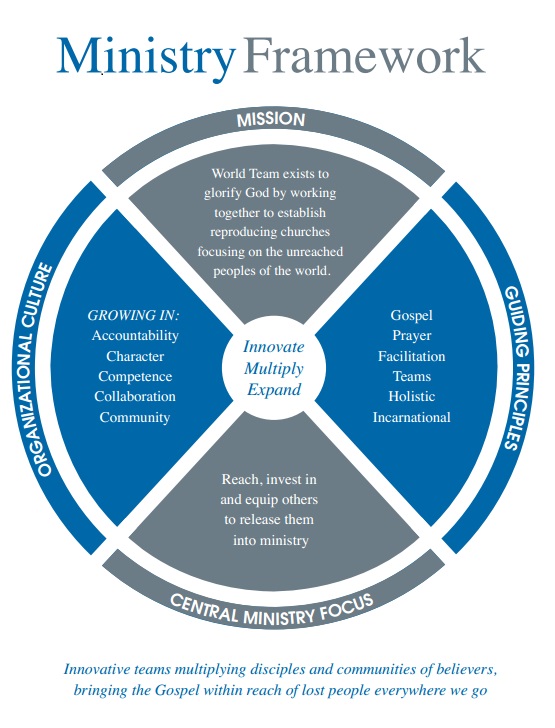
 Yet, how do we ‘get things done’ while depending wholly on God? We could put the same question in other ways, such as ‘how might planning run counter to the Spirit’s work in our lives?’ or ‘where does the importance lie: with prayer or with planning?’
 ain meeting place. When they arrived, I ‘tested’ them by asking what metro line they had taken to get to the meeting place. “You took line 6, right?” Their reply caught me by surprise: “No, we took line 3! It looked like a shorter route.” I had always taken line 6 to get to the meeting place. I knew what to do to get to the meeting place. Where in the world did they come up with the idea of taking line 3?
 Thoughts Along The Journey